


GLP-1 Receptor Agonist | Research Peptide
⸻
Overview
Semaglutide is a synthetic GLP-1 (glucagon-like peptide-1) receptor agonist studied for its role in metabolic and endocrine signaling pathways. In laboratory settings, it is used to investigate glucose regulation, appetite signaling, and gastrointestinal hormone interactions.
It is structurally designed to provide extended receptor activity compared to native GLP-1.
⸻
Mechanism of Action (Research Context)
• Binds to GLP-1 receptors in pancreatic and gastrointestinal tissues
• Influences insulin and glucagon signaling pathways in research models
• Modulates gastric emptying signaling mechanisms
• Supports investigation of appetite-regulation pathways
⸻
Research Applications
• Glucose metabolism pathway studies
• Insulin signaling research
• Appetite and satiety hormone research
• Endocrine system investigations
• Obesity and metabolic model studies
⸻
Key Characteristics
• Long-acting GLP-1 receptor agonist
• Modified structure for extended half-life
• High receptor specificity
• Studied extensively in metabolic research environments
⸻
Product Details
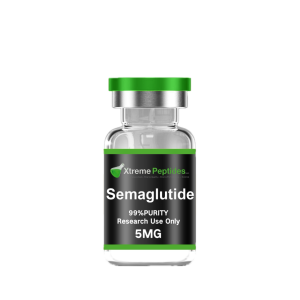
Form: Lyophilized powder
Purity: HPLC tested
Storage: Store in a cool, dry place before reconstitution
⸻
Compliance Notice
For laboratory research use only.
Not for human consumption.
Not intended to diagnose, treat, cure, or prevent any disease.
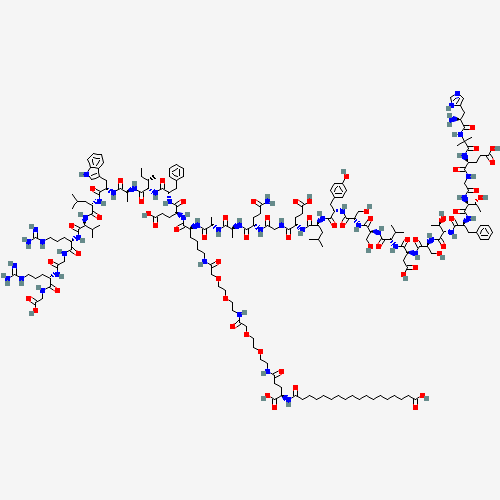
Note: Because semaglutide is a large biologic molecule (\bm{C_{187}H_{291}N_{45}O_{59}}), a full “hexagon” (skeletal) formula is often very dense and difficult to read without zooming in on specific functional groups.



pharmagrade –
Good quality.